Picture this. Your company has been shipping code for years. Your developers are good. Your security team runs regular audits. You use industry-standard tools. Everything feels under control.
And then someone scans your codebase with a new kind of AI - and finds a vulnerability that's been sitting there, silently, for eleven years.
That's not a hypothetical. That's what's actually happening right now.
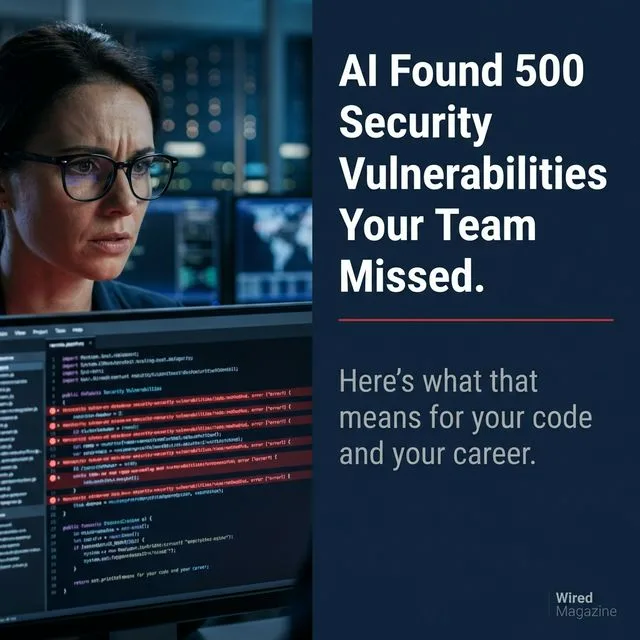
Anthropic just launched Claude Code Security, and in the process of testing it, their team found over 500 real vulnerabilities in production open-source codebases - bugs that had gone undetected despite years of expert human review. They're now working through responsible disclosure with the maintainers of those projects.
Let that sink in for a second.
The Problem That's Been There All Along
Security teams have a problem that doesn't get talked about enough: it's not that people don't care, it's that the scale is impossible.
Think about a mid-sized engineering team shipping code every week. Every new feature is a new surface area. Every dependency update is a potential risk. Every API endpoint is a door that someone might try to open the wrong way.
The backlog of vulnerabilities to review grows faster than any team can realistically address it. Not because security engineers are bad at their jobs - but because software is complex, and humans can only read so much code in a day.
Existing tools help, but only up to a point. Traditional static analysis works a bit like a plagiarism checker. It looks for patterns it already knows about - hardcoded credentials, known insecure functions, outdated libraries. It's genuinely useful for the obvious stuff.
But the vulnerabilities that actually get exploited in major breaches? They're rarely the obvious stuff. They're the subtle things. A flaw in how your app's business logic handles edge cases. A broken access control that only shows up when three specific conditions are met at once. The kind of thing that requires someone to actually understand the code - not just match it against a checklist.
That's where human security researchers come in. And that's also why they're so expensive, so rare, and so constantly overwhelmed.
What's Different About AI-Powered Security
Claude Code Security approaches your codebase the way a senior security researcher would, not the way a pattern-matching script would.
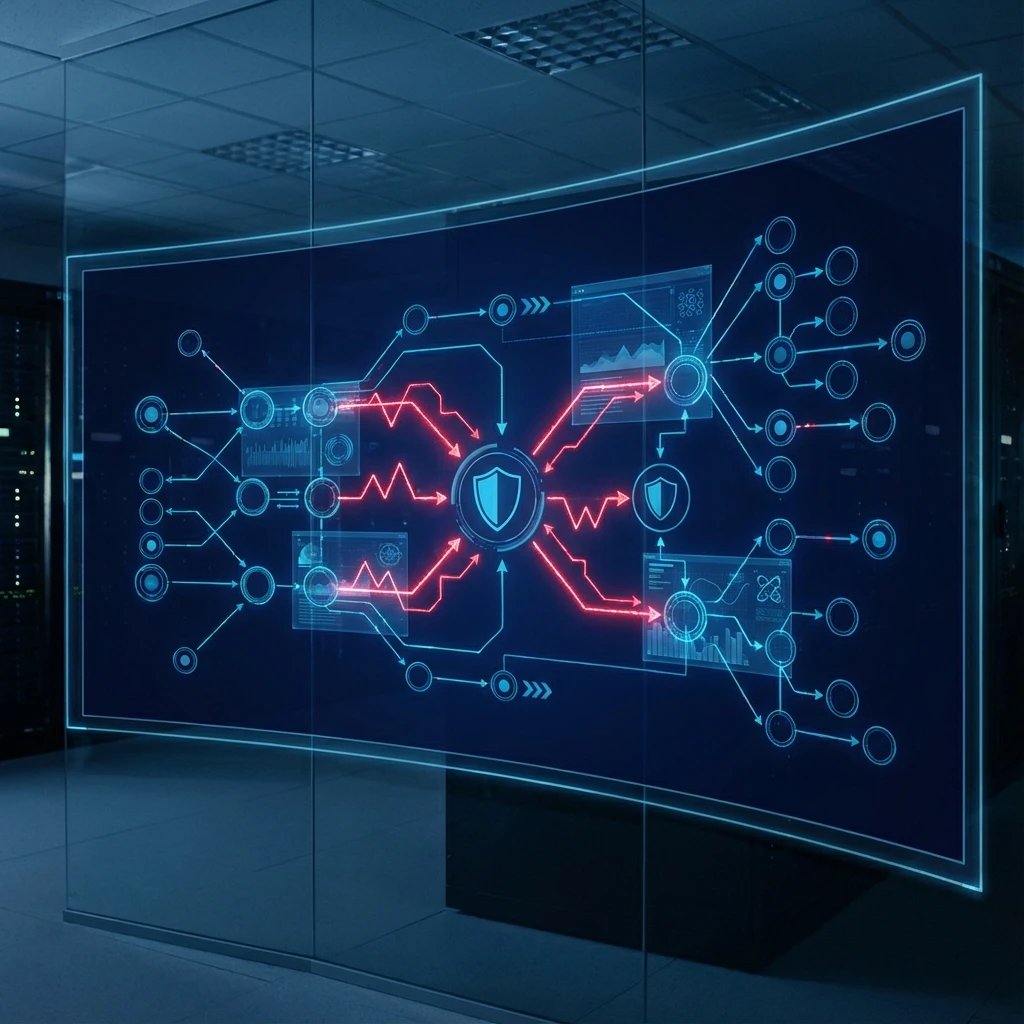
It reads your code. It understands how your components interact with each other. It traces the journey of data as it moves through your application - from the moment a user inputs something, through every function it touches, to wherever it ends up. And it flags the places where that journey could go wrong in ways that a rule-based tool would never think to check.
This isn't magic. It's the result of more than a year of deliberate research - Anthropic's team has been entering Claude in competitive Capture-the-Flag cybersecurity events, partnering with national labs to test AI-assisted defense of critical infrastructure, and systematically stress-testing its ability to find and fix real vulnerabilities.
The result is something that can do in hours what would take a human team weeks.
But What About False Alarms?
Anyone who's worked in security knows that false positives are a real problem. An alert that cries wolf too often just trains people to ignore alerts entirely.
Claude Code Security tackles this directly. Before anything reaches an analyst, every finding goes through a multi-stage verification process where the AI actually re-examines its own work - trying to disprove what it found, checking whether the vulnerability is real or a phantom. Findings are filtered, severity-rated, and confidence-scored before a human ever sees them.
The result is a dashboard of validated findings - organized by priority, with suggested patches ready for review - rather than a noisy dump of every possible concern.
Humans Are Still Driving
This is the part that matters most to me, and I think it should matter to you too.
Nothing in Claude Code Security gets applied automatically. No patch gets deployed. No change gets made. Every fix goes through human review and human approval.
The AI does the research. The developer makes the decision.
This isn't a limitation - it's a feature. Because security isn't just about finding bugs. It's about understanding context, weighing trade-offs, and making judgment calls that require knowing your business, your users, and your risk tolerance. That's still human work. The AI just makes sure you're not making those judgment calls in the dark.
The Arms Race Is Already Happening
Here's the uncomfortable truth that this tool is responding to: attackers are already using AI.
The same capabilities that let Claude find vulnerabilities in your codebase can, in the wrong hands, be used to find vulnerabilities to exploit. AI makes it faster, cheaper, and more scalable for bad actors to probe systems looking for weaknesses.
The only real response to that is to make sure defenders have access to the same capabilities - and that they move first.
Claude Code Security is available now in a limited research preview to Enterprise and Team customers, with expedited free access for open-source maintainers. It's a deliberate choice to start there - Anthropic wants to work closely with real teams, learn from real codebases, and make sure this tool gets deployed responsibly before it scales widely.
What This Means for You
If you're a developer, this is worth understanding - because the code you ship today is the attack surface someone else is mapping tomorrow.
If you're in security, this is the force multiplier your team has been waiting for. Not a replacement for human judgment, but a way to extend what your team can actually cover.
If you're a business leader, consider this: the vulnerabilities Anthropic's team found in those open-source projects had been there for decades. In production code. Reviewed by experts. The question isn't whether vulnerabilities like that exist in your systems - it's whether you find them before someone else does.
We're at the beginning of a shift where AI scans most of the world's code for security issues. The teams and organizations that embrace this early, and use it responsibly, are the ones that get to define what that future looks like.
The tools just got better. The question is who uses them first.
Claude Code Security is currently in limited research preview. Enterprise and Team customers can apply for access, and open-source maintainers can apply for free expedited access at claude.com/solutions/claude-code-security.